I joined Oliver Wyman as part of its early digital practice, supporting the firm's push to compete with consultancies like McKinsey and Accenture by bringing modern product thinking into traditional management consulting. Starting as a UX designer on a global product team, I quickly expanded into UI design, integrating visual and interaction craft across client engagements spanning fintech, insurance, waste management, climate, pharmaceuticals, travel, and logistics. Each project had distinct constraints, audiences, and business goals.
Operating in a classic agency model, I contributed to diverse projects while leading and participating in client workshops to frame ambiguous problems, align stakeholders, and establish strong discovery foundations. These workshops shaped strategy, scope, and execution across initiatives, helping traditional consultancy clients understand the value of user-centered design. My work established patterns for how the firm approached digital transformation, blending strategic thinking with tangible design outputs that clients could build upon long after engagements ended.
UX + UI Design, Discovery Workshops, Research, Cross-Functional Collaboration, Systems Thinking
UX + UI Design, Discovery Workshops, Research, Cross-Functional Collaboration, Systems Thinking
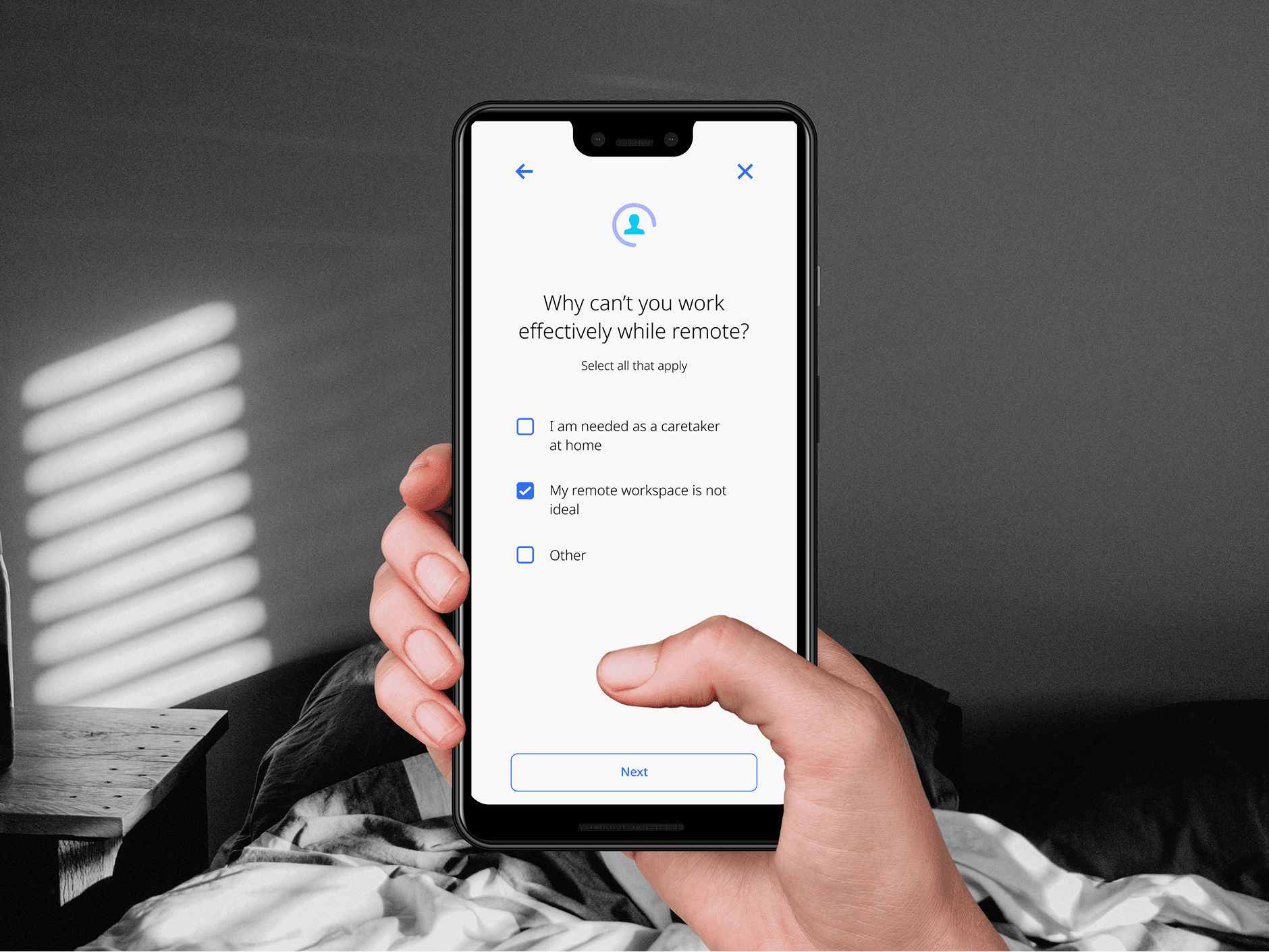
Structured employee check-in used to assess whether individuals could safely return to the office when needed. Designed and launched at the onset of COVID-19, the app was deployed globally at Oliver Wyman and later adapted into a customizable solution for external clients.
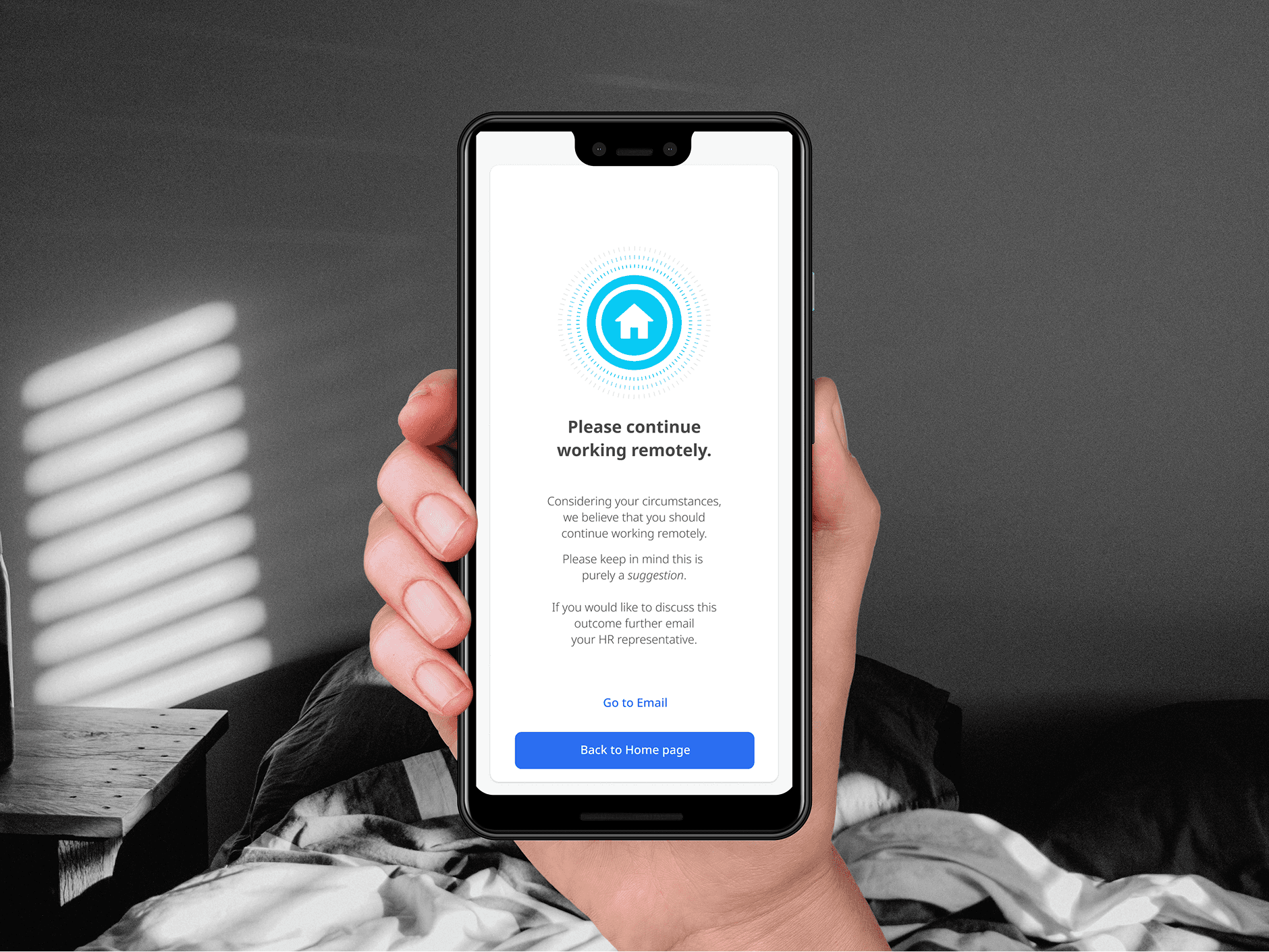
One of two possible outcomes the app could assign to a user. Based on responses, the experience recommends continuing to work from home and provides a clear path to contact HR if an override is needed.
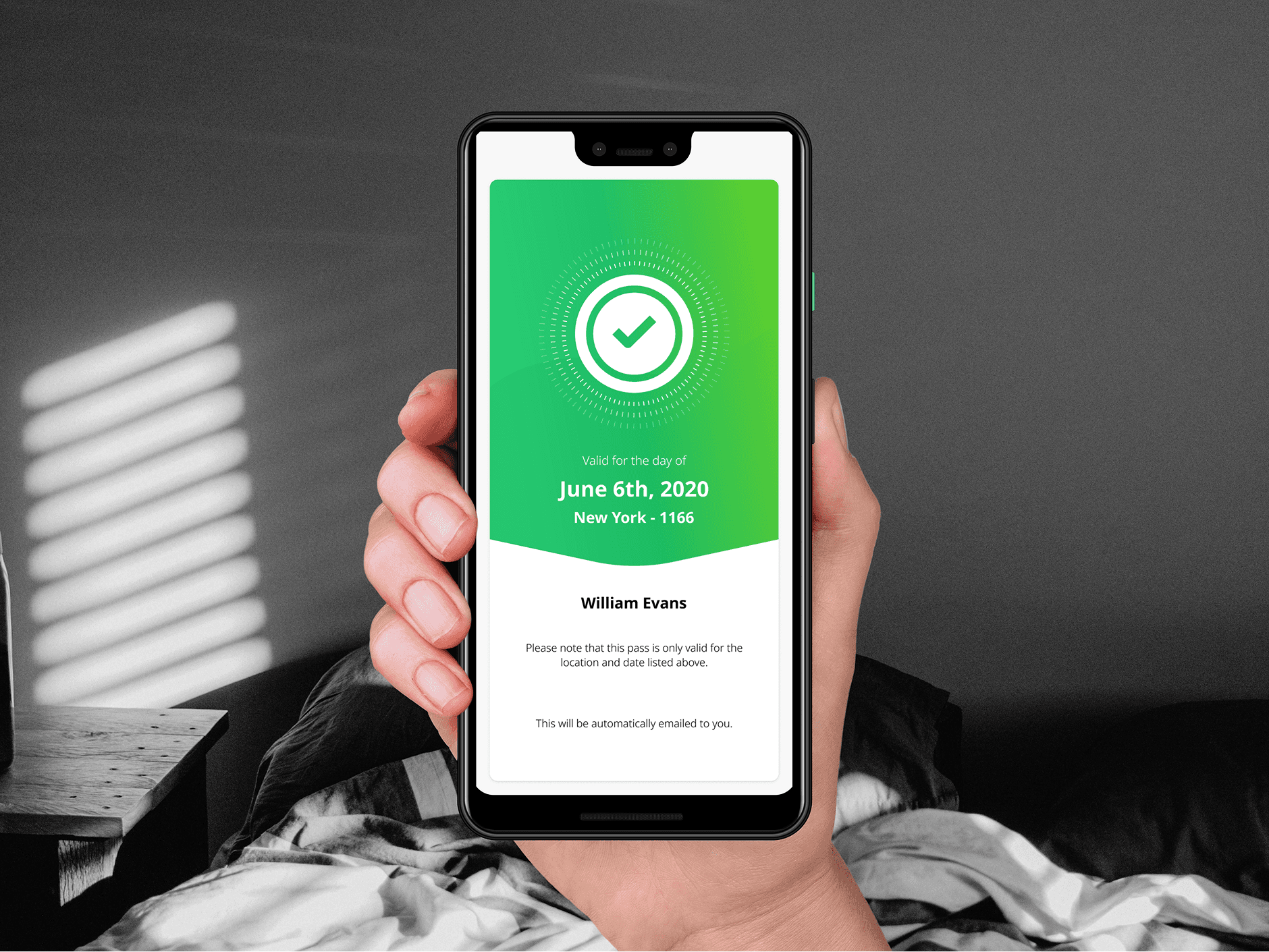
Daily access badge generated by the app to grant employees entry into the office. Valid for a specific date and location, it provided a simple, verifiable way to manage on-site access.
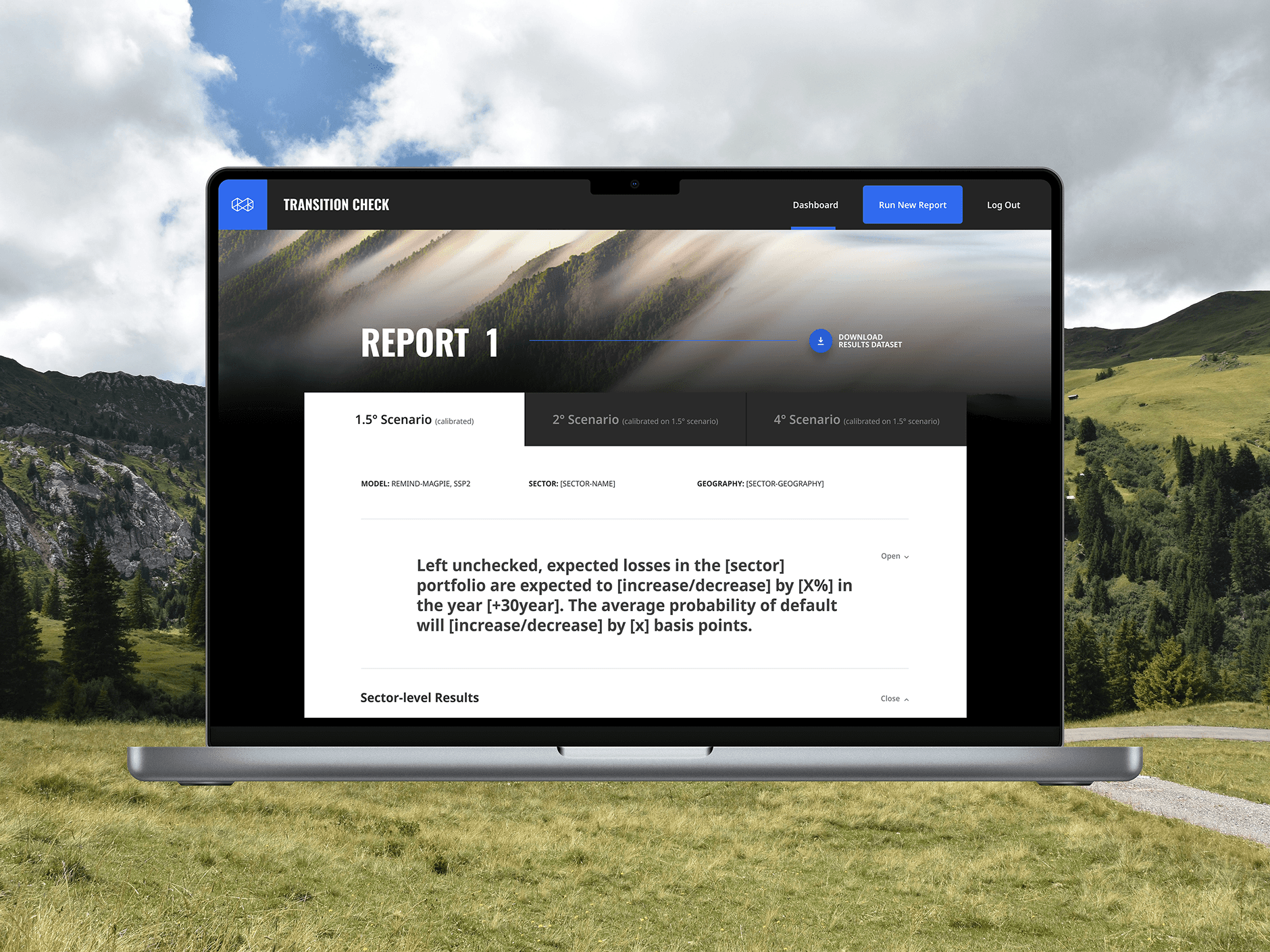
Scenario analysis tool built for UNEP that helps financial institutions understand how climate change could impact their portfolios. The experience translates complex model outputs into clear, comparable reports across multiple climate scenarios.
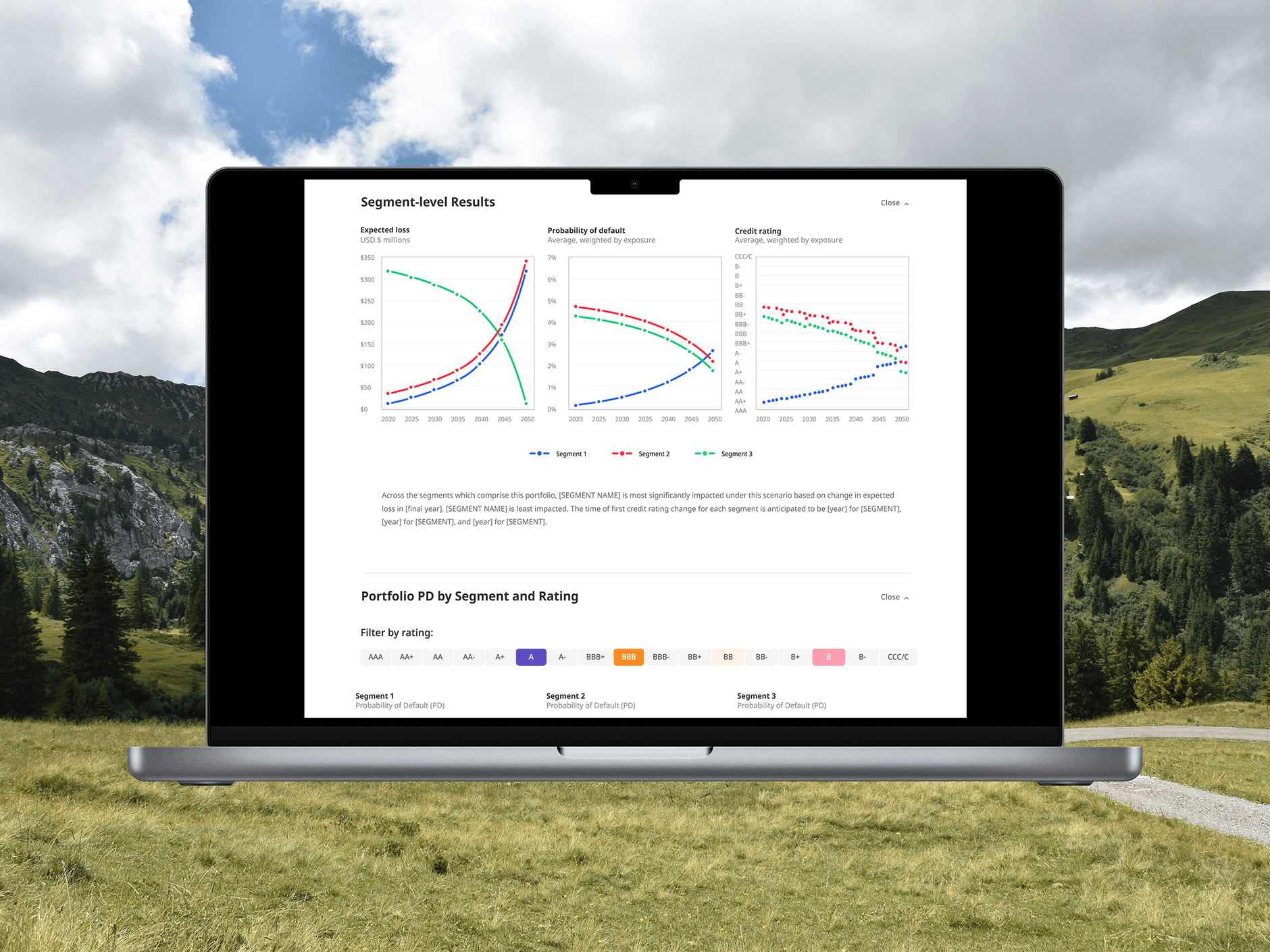
A data-heavy reporting interface designed to surface complex climate risk insights through clear, comparative visualizations. Charts and filters help users explore impacts across segments, ratings, and time horizons.